
Why Durability Matters More Than Ever in Modern Textiles
Fabric is part of daily life in ways most people do not stop to consider. From the clothes you wear to the furniture you sit on, textiles are constantly in use. Over time, that constant use puts stress on fibers, seams, and finishes, which is where durability starts to matter.
In the past, many products were made with longevity in mind. Today, fast production cycles and changing trends sometimes shift the focus toward short-term use. As a result, more people are starting to pay attention to how long their textiles actually last.
Durability is not just about avoiding wear and tear. It also connects to value, sustainability, and comfort. A fabric that holds up well reduces the need for frequent replacement and often performs better over time.
How Everyday Use Impacts Fabric Performance
Everyday activities place different kinds of stress on textiles. Sitting, stretching, washing, and exposure to sunlight all contribute to gradual wear. These factors may seem minor on their own, but together they have a cumulative effect.
Understanding how these elements interact helps explain why some fabrics last longer than others. It is not always about thickness or weight, but about how fibers are constructed and treated.
What Defines a Durable Fabric
Durability is not a single feature. It is the result of several factors working together, including fiber type, weave structure, and finishing processes. Each of these elements plays a role in how a fabric performs over time.
Fiber strength is one of the most important components. Natural fibers like cotton and wool offer comfort, while synthetic fibers such as polyester and nylon often provide greater resistance to wear. Blends can combine these qualities for a more balanced result.
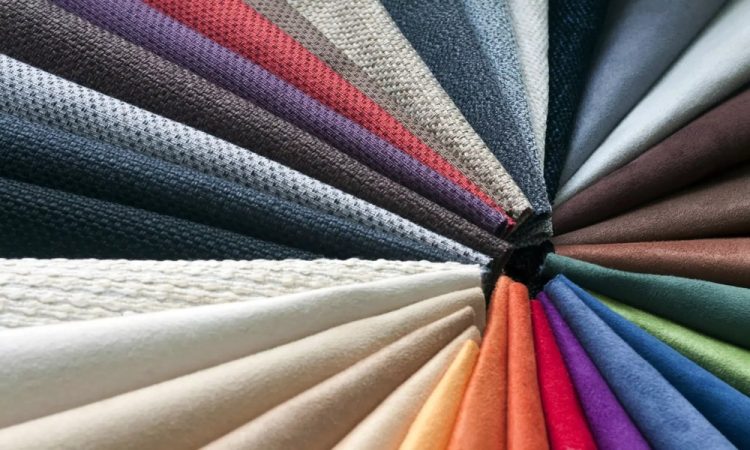
Weave and construction also matter. Tightly woven fabrics tend to resist abrasion better than loosely constructed ones. This is why certain textiles feel more substantial and hold their shape longer.
The Role of Fiber Quality and Construction
Not all fibers are created equal. Even within the same category, quality can vary based on how the fibers are processed and spun. Higher quality fibers tend to be more uniform and less prone to breaking.
Construction techniques further enhance durability. Reinforced stitching, balanced tension, and consistent patterns all contribute to a fabric’s ability to withstand use. These details may not be visible at first glance, but they make a noticeable difference over time.
Common Types of Long-Lasting Textiles
Some fabrics have built a reputation for durability over the years. Denim, for example, is known for its strength and ability to age well. Canvas is another example, often used in applications where toughness is essential.
Synthetic materials also play a significant role. Polyester and nylon are widely used for their resistance to stretching, shrinking, and abrasion. These properties make them suitable for both clothing and heavy-use environments.
Blended fabrics offer a middle ground. By combining natural and synthetic fibers, manufacturers can create textiles that are both comfortable and resilient. This versatility makes them a popular choice in many products.
Where These Fabrics Perform Best
Different fabrics excel in different settings. Heavy-duty textiles are often used in upholstery, outdoor gear, and workwear. These environments demand materials that can handle frequent use and exposure to the elements.
Lighter durable fabrics are commonly found in everyday clothing. They provide a balance of comfort and longevity, making them practical for regular wear. Choosing the right fabric for the intended use is key to getting the best performance.
Testing and Measuring Durability
Durability is not just based on perception. There are specific tests used to measure how well a fabric holds up under stress. These tests provide objective data that helps compare different materials.
Abrasion resistance is one of the most common measures. It evaluates how well a fabric withstands repeated rubbing. Higher resistance usually indicates a longer lifespan in real-world use.
Other tests focus on tensile strength, colorfastness, and resistance to pilling. Each of these factors contributes to overall performance. Together, they create a more complete picture of durability.
Why These Metrics Matter to Consumers
Understanding these metrics can help consumers make more informed choices. While not everyone needs to know the technical details, having a basic awareness can be useful.
Labels and product descriptions often include durability indicators. Paying attention to these details can help identify fabrics that are better suited for long-term use. This reduces the likelihood of disappointment after purchase.
Maintenance and Its Impact on Longevity
Even the most durable fabric requires proper care. Maintenance plays a significant role in how long a textile lasts. Simple habits can extend the life of a fabric and preserve its appearance.
Washing methods are one of the most important factors. Using the right temperature, detergent, and cycle can prevent unnecessary wear. Overwashing or using harsh chemicals can weaken fibers over time.
Storage also matters. Keeping fabrics in a clean, dry environment helps prevent damage from moisture or pests. These small steps can make a noticeable difference in longevity.
Building Habits That Protect Your Textiles
Developing good care habits does not have to be complicated. Following care instructions and avoiding excessive stress on fabrics are simple ways to start. These practices become easier with consistency.
It is also helpful to address minor issues early. Repairing small tears or loose seams can prevent larger problems. This proactive approach helps maintain both function and appearance.
Sustainability and the Value of Long-Lasting Materials
Durability and sustainability are closely connected. Fabrics that last longer reduce the need for frequent replacement. This helps lower overall consumption and waste.
In recent years, there has been a growing interest in sustainable textiles. Consumers are looking for products that align with long-term values rather than short-term trends. Durable materials play a key role in this shift.
Manufacturers are also exploring new ways to improve durability while reducing environmental impact. This includes using recycled fibers and more efficient production methods. These innovations are shaping the future of textiles.
Thinking Beyond Short-Term Use
Choosing durable materials is about more than immediate convenience. It is about considering how a product will perform over time. This perspective encourages more thoughtful purchasing decisions.
A durable fabric supports this mindset by offering reliability and longevity. It becomes part of a broader approach to consumption that values quality over quantity. Over time, this shift can have a meaningful impact.
How to Choose the Right Fabric for Your Needs
Selecting the right fabric involves balancing several factors. Durability is important, but so are comfort, appearance, and intended use. Finding the right combination depends on your specific needs.
It helps to think about how the fabric will be used. High-traffic areas require stronger materials, while occasional use may allow for more flexibility. Matching the fabric to the situation improves overall satisfaction.
Budget is another consideration. While higher quality fabrics may cost more upfront, they often provide better value over time. This makes them a worthwhile investment in many cases.
Making Confident, Informed Decisions
Confidence comes from understanding what to look for. Knowing the basics of fiber types, construction, and care can guide better choices. This knowledge reduces uncertainty and leads to more satisfying results.
It is also helpful to take a closer look before purchasing. Feeling the texture, checking the weave, and reviewing product details all contribute to a clearer picture. These steps make it easier to choose fabrics that will last.
In the end, durability is about more than strength. It is about creating textiles that continue to perform, look good, and feel comfortable over time. With the right approach, it becomes easier to find materials that truly stand the test of time.