

Training your dog is one of the best ways to build trust, safety, and good behavior at home. Whether you have a playful puppy or a serious k-9 guard dog, good training helps your dog understand what you expect and how to behave in daily life. Training also makes life easier for you and helps your dog feel calm and confident. The key is to start small, stay patient, and make training part of your normal routine.
Use Positive Rewards
Dogs learn best when they are rewarded for good behavior. This means giving treats, praise, toys, or playtime when your dog listens to you. When your dog sits, comes to you, or behaves well, reward them right away so they connect the action with the reward.
Try not to reward bad behavior by accident. If your dog jumps on you or barks for attention, wait until they calm down before giving love or treats. This teaches them that calm behavior gets good results.
Pick the Right Reward
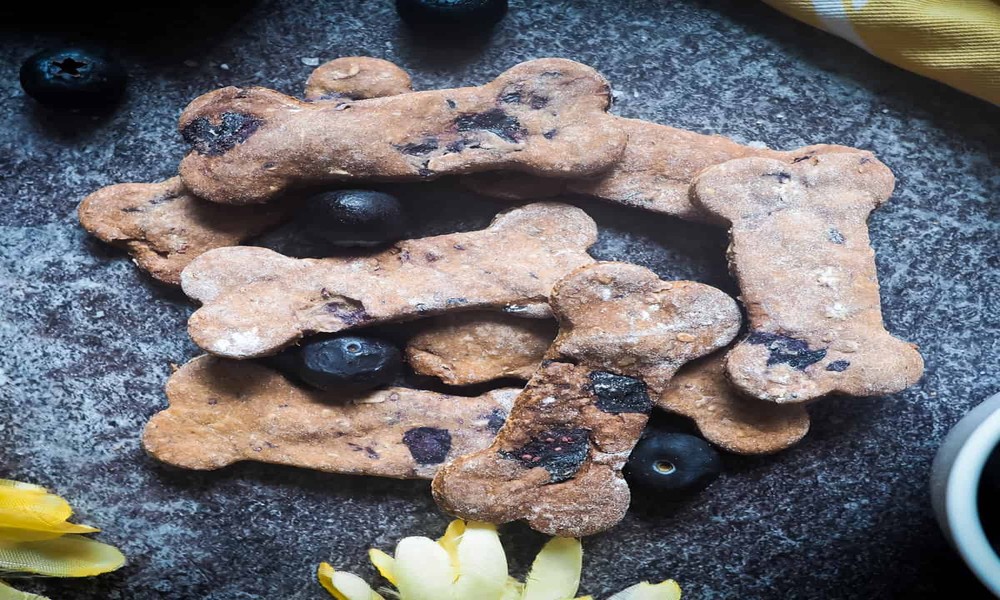
Not all dogs like the same rewards. Some dogs love food, while others prefer toys or playtime. Test different rewards and see what makes your dog excited to learn. Soft treats often work well because they are easy to eat during training.
If your dog is not food-focused, use praise, petting, or a short game as a reward. The goal is to find what your dog enjoys the most.
Keep Training Short and Often
Short training sessions work better than long ones. Five minutes a few times a day is usually enough. This keeps your dog focused and prevents boredom.
Practice in different places too. A dog might listen well at home but get distracted outside. Training in new places helps your dog learn to follow commands anywhere.
Be Consistent Every Day
Use the same words and hand signals each time you give a command. If you say “sit,” always say “sit,” not “sit down” one day and “sit” the next.
Make sure everyone in the home follows the same rules. If one person lets the dog on the couch and another doesn’t, the dog will get confused and training will take longer.
Building Good Habits and Strong Behavior
Good training takes time, but small steps lead to big progress. Focus on steady improvement instead of perfect behavior right away.
Build Skills Step by Step
Some commands take longer to learn. Break them into small parts. For example, when teaching “come,” reward your dog for even taking one step toward you at first. Slowly ask for more as your dog improves.
This helps your dog feel successful and makes learning less stressful.
Make Training Fun
Training should feel like a game, not a chore. Mix in short play breaks, happy praise, and smiles. Dogs pick up on your mood, so if you enjoy training, your dog will too.
Teaching simple tricks like “shake” or “roll over” can also make training more fun and keep your dog excited to learn.
Praise Small Wins
Don’t wait for perfect results to give praise. If your dog is trying and improving, reward that effort. Small progress is still progress.
This keeps your dog motivated and helps build trust between you and your pet.
Use Hand Signals
Dogs often understand hand signs better than words. Try using a hand signal along with the spoken command. Over time, your dog may respond to the hand signal alone.
This is helpful in noisy places or from far away.
Get Help if Needed
If training feels hard, getting help from a trainer or joining a class can make a big difference. A good trainer can show you simple steps to fix problem behavior and improve skills faster.
Choose a trainer who uses kind methods and rewards good behavior. This creates better results and keeps training positive for your dog.