
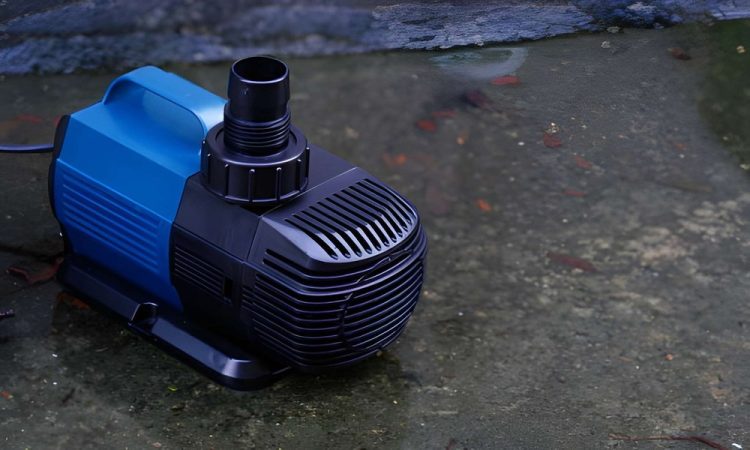
Air pumps are one of those things you don’t think about until something goes wrong. Then you are panic-buying while fish gasp at the surface. Been there. Not fun. Getting the right one from the start? Saves all that hassle, honestly.
Running costs add up when the pump is on 24/7. That is why I suggest energy efficient airpump from That Pond Guy website. Charles Austen ET series sips power. My friend swapped his old beast, electricity bill dropped noticeably. Same pond.
Pump Types Matter
Not all air pumps same. Three main types:
1. Linear diaphragm pumps – The quiet ones. Use electromagnets to shake the rod back and forth. Diaphragms suck and blow air. No oil. Minimal moving parts. Last ages. AirMac Pumps reckon they move 6,000 to 7,200 times per minute, depending on frequency.
2. Rocking piston pumps – Different mechanism. Piston rocks back and forth. More pressure. Better for deeper ponds. Louder though. More oomph but more noise.
3. Rotary vane pumps – Spinning vanes inside the chamber. Smooth airflow. Less common for ponds.
Most garden ponds? Linear pumps win. Quiet. Efficient. Reliable.
Sizing The Thing
Where people mess up mostly. Work out the pond volume first. Length x width x average depth. In litres, ideally.
Consider depth too:
- Shallow pond (1-2m)? Linear pump fine.
- Deeper than 2m? Need more grunt. Rocking piston, maybe.
The number of outlets matters. One air-stone? Fine. Four daisy-chained round ponds? Need more airflow.
Rough guide from forums:

- Under 2000L – 40-60 L/min
- 2000-8000L – 60-120 L/min
- 8000L+ – 120+ L/min
Check manufacturer specs, though. Don’t guess.
Noise Considerations
Some pumps sound like tractors. Honestly. Hear it through patio doors. Drives you mad.
- Linear pumps are quiet. Hum more than rattle. Good near the house.
- Piston pumps are noisier. Better in the outbuilding away from where you sit.
- Check decibel ratings if sensitive. Some manufacturers list them. Worth comparing.
Energy Efficiency
Pump runs 24/7. That is 8,760 hours yearly. Every watt counts.
- AirMac lists efficiency as a key linear advantage. They are right. Modern ones sip power.
- Compare wattage between models. 60W versus 100W? Over a year, that is hundreds of kWh difference. Real money.
- Look for good flow per watt ratios. More bubbles for less leccy.
Maintenance Expectations
- Linear pumps? Diaphragms wear eventually. Every 2 years, maybe. Replace with kit. 20 minutes work. Easy.
- Piston pumps? Seals wear. Similar deal. Kits available.
- Filters need cleaning or replacing every few months. Dusty environments more often.
Check the spares availability before buying. Some cheap pumps you cannot get parts for. Bin it when it breaks. False economy.
Extra Features
- Weatherproofing – Pump outside? Needs protection. Check IP rating.
- Adjustable flow – Handy if unsure of exact needs. Turn up or down.
- Alarms – Fancy ones beep if pressure drops. Blockage? Leak? You know about it. Peace of mind.
- Cable length – Obvious but forgotten. A short cable means an extension lead. Extra faff.
Bottom Line
Choose by pond size and depth. Linear for quiet. Piston for deep. Check wattage. Get spares. Spend on a decent brand. Cheap ones die at 2 am Sunday. Always. Your fish will thank you.