Energy Efficient Refrigeration Upgrades Lowering Operational Costs For Businesses

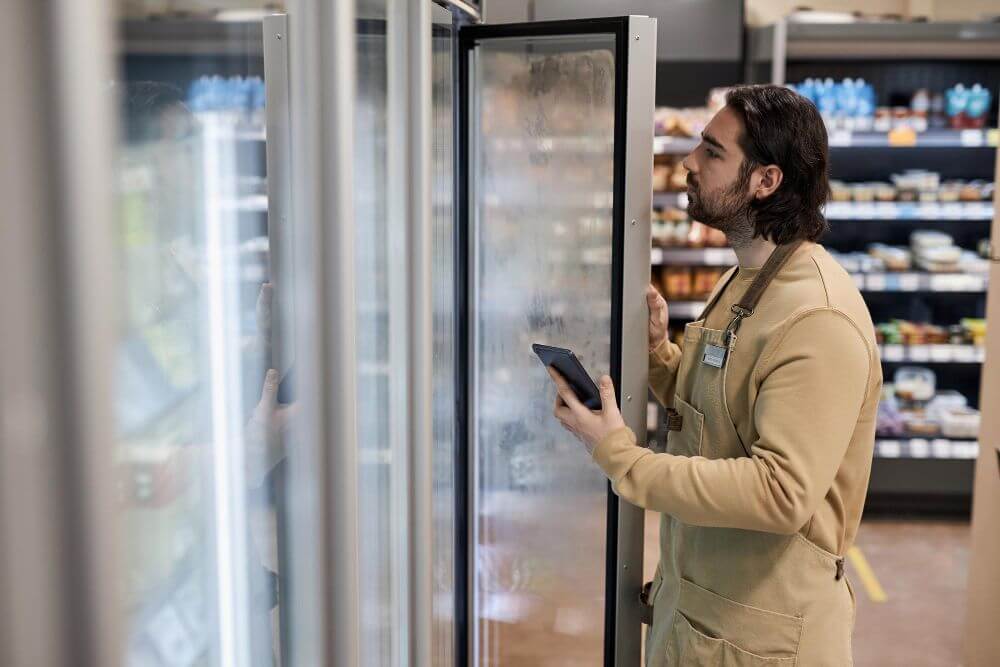
Modern refrigeration technology is redefining energy management across commercial operations. Every unit installed today delivers measurable performance improvements and consistent financial relief. As consumption patterns evolve, upgrades have become essential for sustainable cost balance. Businesses partner with a commercial refrigeration company to ensure installations maximize output using optimized energy profiles.
Sustainable Cooling Systems Supporting Corporate Longevity
Energy‑efficient refrigeration contributes directly to cost stability and environmental stewardship. Companies adopting new cooling technology gain smoother temperature management and stronger asset durability. The shift reduces long‑term energy waste while improving day‑to‑day operational reliability.
Design Innovations Enhancing System Performance
Upgrades rely on tailored configurations suited to specific business layouts. Engineers design systems that balance performance, functionality, and ambient air control. Smart compressors and variable fans keep temperatures consistent while minimizing electrical demand.
- Variable-speed motors improving steady energy efficiency
- Smart sensors detecting early performance deviations
- Precision sealing reducing unwanted air exchange
- Micro‑channel coils enhancing rapid thermal control
Each design strategy promotes balanced cooling without unnecessary strain on resources. With gradual calibration, upgraded systems align perfectly with both economic and environmental expectations.
What Drives the Shift Toward Smarter Refrigeration?
Businesses focus on balancing reliability with operational savings during critical hours. When daily output depends on uninterrupted cooling, outdated systems increase vulnerability. Energy efficiency offers control by reducing unpredictable consumption spikes.
A new generation of intelligent appliances integrates data logging and self‑adjustment logic. They optimize flow precisely, ensuring temperature maintenance without constant manual interference. The presence of a skilled Commercial refrigeration company enables smooth transition between legacy and modernized frameworks.
Technology-Based Strategies Reshaping Equipment Lifespan
Upgrading isn’t about replacing hardware but about extending value intelligently. New‑age controllers fine‑tune energy cycles while maintaining cooling density at required range. Automated systems quickly adapt to seasonal fluctuations without overcompensating through excess energy draw.
- Self‑learning thermostatic control for adaptive regulation
- Component longevity tracking through sensor precision
- Efficient refrigerant transition aiding thermal management
- Predictive alerts reducing unplanned service interruptions
Efficiency becomes measurable through combined data and sustainability alignment. Implementation helps reduce repair frequency while boosting confidence in system dependability.
How Can Businesses Assess Sustainable ROI Easily?
Financial evaluation now centers around performance visibility rather than vague estimations. Managers monitor electricity usage, downtime reduction, and equipment calibration metrics directly. They observe measurable returns that merge environmental policy with practical economic impact.
The benefit expands beyond budget efficiency; it enhances reliability across departments. Employees appreciate consistent storage conditions, which indirectly strengthens supply stability and brand reputation.
Balancing Innovation With Environmental Responsibility
The industry now treats cooling as part of a broader ecological chain. Lower refrigerant usage actively contributes to carbon neutrality targets for responsible brands. Efficiency forms the connecting thread between ethics and financial efficiency.
Energy‑optimized refrigeration ensures smart progress without increasing maintenance burden or environmental trade‑off. Each upgrade reinforces the equilibrium between savings, reliability, and corporate environmental mindset naturally. The consistent performance of upgraded systems nurtures confidence in long‑term sustainability goals. Over time, businesses find these improvements transform cooling efficiency into a measurable competitive advantage.