
Key Takeaways
For patients facing life-threatening conditions, donating plasma holds immense importance. It supplies essential proteins vital for treating a host of disorders and diseases.
Each plasma donation can profoundly impact the lives of patients, much like in the story of individuals such as Jake, who depend on plasma-derived treatments to enjoy normalcy in their lives.
Those who donate plasma regularly might also experience personal health benefits, such as reduced blood pressure and enhanced cardiovascular health, along with a rewarding sense of community involvement.
Getting ready for plasma donation involves staying hydrated, consuming nutritious meals, and ensuring adequate rest-factors that can significantly enhance the donation experience.
The positive ripple effects of plasma donations extend to local charities and hospitals, fostering a sense of unity within the community and elevating health awareness initiatives.
Compensation for plasma donation, typically ranging from $20 to $50 per donation, encourages participation and underscores the significance of the donor’s contribution.
With flexible donation hours at centers, individuals can easily integrate contributing into their busy lives without having to make a massive time commitment.
Uncovering the Unique Benefits of Plasma Donation
How Plasma Donation Supports Critical Medical Treatments
Every day, patients grappling with life-threatening conditions depend on plasma-derived therapies. Plasma contains proteins that are crucial in treating clotting disorders, immune deficiencies, and various autoimmune illnesses. By donating plasma, individuals become essential players in the healthcare ecosystem, providing much-needed support. The positive impact is truly significant.
Just think about the young man named Jake. He was diagnosed with a rare blood disorder and requires consistent treatments derived from donated plasma. Each donation he receives resets his life, allowing him to attend school and engage in sports, activities most kids take for granted. This illustrates the power of what seems like a small act-donating plasma can often mean the difference between life and death for many.
Moreover, this influence stretches beyond immediate medical needs. Plasma plays a critical role in generating immunoglobulins and clotting factors, essential for patients undergoing surgery or healing from serious injuries. It’s not merely a donation; it’s a lifesaving gift.
The Personal Health Gains for Plasma Donors
Donating plasma is more than an altruistic act; it offers personal health benefits to donors as well. Recent studies imply that regular donors may enjoy lower blood pressure and better cardiovascular health. Surprisingly, the act of giving could help donors lead healthier lives. This exchange of plasma can actually elevate the metabolic profiles of donors, a fascinating benefit.
Many who donate report heightened energy levels and enhanced well-being following their donation. It’s more than just a transaction; it’s a deep connection with the community that fosters belonging. Knowing that a single hour invested can have a tangible impact on another person’s life is incredibly rewarding.
“Giving plasma is a chance to give life, and it often comes back to enrich your own.”
The process of donating plasma also instills discipline: one must adhere to health and dietary guidelines prior to donation. Such adherence often leads to healthier lifestyle choices, promoting balanced diets and regular hydration. Most donors find themselves motivated to maintain good health, recognizing that keeping their blood healthy is essential for recipients’ efficacy.
Demystifying the Plasma Donation Process in Glassboro
What to Expect During Your First Plasma Donation
First-time donors often approach the donation center with a blend of excitement, curiosity, and maybe even a bit of anxiety. That’s completely understandable. Knowing what to expect can help calm those jitters.
When arriving at ABO Plasma in Glassboro, the initial step is a straightforward screening process. This assessment ensures prospective donors fulfill the eligibility criteria. Be prepared for questions regarding medical history and lifestyle choices. The staff is committed to ensuring a safe experience for everyone involved.
- Comfort is key: Facilities typically offer reclined seating and various entertainment options.
- A knowledgeable phlebotomist will oversee the procedure, ensuring safety and comfort at all times.
- The donation process usually takes about 45 minutes to an hour.
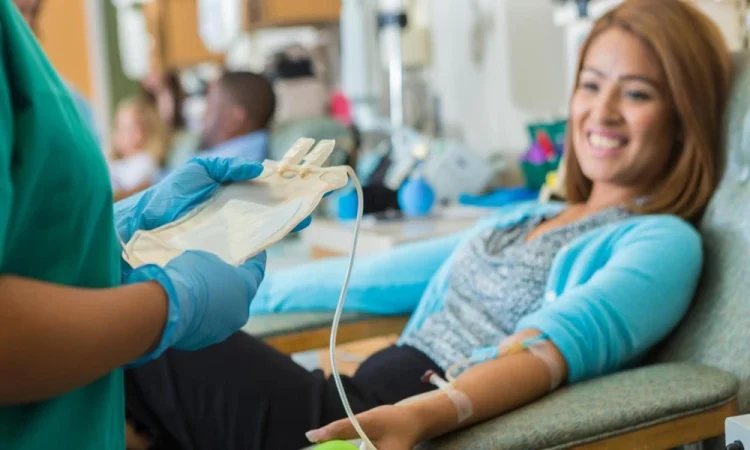
Once donors are comfortably seated, blood will be drawn via a sterile needle, separated, and the plasma will be extracted. The remaining components are then returned to the donor. This entire process is efficient yet personal-donors can engage with staff, ask questions, and interact with fellow donors.
How to Prepare for a Successful Donation Experience
Proper preparation is crucial for ensuring the best donation experience possible. Donors are generally advised to stay hydrated for several days ahead of their appointment. Hydration not only aids in the donation process but also contributes positively to overall health. Along with hydration, eating a nutritious meal before the appointment-think lean proteins and iron-rich foods-can help replenish the body post-donation.
Here are three key preparation tips:
- Hydrate well: Drinking water in the days leading up to the appointment is vital.
- Fuel the body: Balanced meals are essential for ensuring donors are ready for the donation process.
- Get enough rest: A good night’s sleep can significantly impact how donors feel during and after the donation.
It’s about laying the groundwork for a positive experience. While feelings of apprehension are common, proper preparation lights the way, making the visit smoother.
Enhancing Community Well-Being Through Plasma Donations
The Ripple Effect: Changing Lives in Glassboro
The benefits of donating plasma flow into the community in remarkably uplifting ways. Local charities, hospitals, and health initiatives thrive on a steady supply of plasma. These contributions support vital medical facilities and pave the way for new treatment options. When the community unites to donate plasma in Glassboro, its members don’t just save lives; they cultivate a spirit of solidarity.
Consider the community health fairs that take place in Glassboro, highlighting the importance of plasma donations. These events serve as educational platforms, raise awareness, and foster a culture that values giving. Donors often step into the role of community ambassadors, sharing their personal experiences and encouraging their peers to join in. The outcomes can be profound, leading to a community that proudly embraces its collective responsibility.
“When people come together to give, they create waves of change that touch lives beyond their own.”
Each donation tells a story, echoing through families, schools, and social groups. It transforms into a shared narrative that uplifts the community. Many donors come away with a renewed sense of purpose, recognizing that their contributions serve a cause greater than themselves.
Building a Culture of Generosity: Plasma Donation Impact
Establishing a culture of giving within a community like Glassboro often starts with small acts that build momentum. Local business leaders, schools, and civic groups can champion plasma donation drives, motivating their members to contribute. Such initiatives illustrate the collective achievements possible, generating enthusiasm around the concept of donation. It’s not only about the plasma; it’s about uniting people.
- Raising Awareness: Partnering with local media outlets to spotlight the life-saving impacts of plasma donations can draw necessary attention.
- Incentive Programs: Collaborating with businesses for discounts or community rewards helps boost donor engagement.
- Education Sessions: Arranging educational meals or workshops can effectively demystify the donation process.
Each initiative reinforces the community’s dedication to health and well-being, instilling values of empathy, generosity, and responsibility. When one person takes the step to act, it encourages others to follow suit, creating a positive feedback loop that radiates far beyond the clinic.
Financial and Lifestyle Incentives for Donating Plasma
Understanding Compensation Models for Plasma Donations
While altruism is a major driving force behind plasma donation, compensation models contribute to attracting donors. Many centers, including those in Glassboro, offer financial incentives for contributions. Depending on frequency and specific center guidelines, donors may receive compensation for their time and effort. However, it’s important to note-it’s much more than just the cash aspect. It’s about making an impact.
Typically, compensation structures vary; donors can usually expect to earn between $20 and $50 per donation. This model acknowledges the time commitment while also appreciating the life-saving resources being provided.
- First donation bonus: Many centers have special incentives for new donors, attracting more first-timers.
- Referral programs: Current donors may gain rewards by encouraging friends to donate, leading to shared benefits.
- Frequency incentives: Some centers increase compensation based on the number of donations made in a month, rewarding regular donors.
These programs not only reward contributions but also promote ongoing engagement. Communities gain strength when individuals not only donate but also participate consistently. Donation is woven into the everyday fabric of life.
Can Donating Plasma Fit into a Busy Schedule?
In a world that’s often hectic, finding time for anything beyond work and personal commitments can feel nearly impossible. This is where plasma donation cleverly fits into a busy routine. Most donation centers recognize the need for flexibility, staying open during evenings and weekends to accommodate various schedules.
Donors frequently find that the donation process is quick, taking up little of their day. Arriving, donating, and leaving typically requires about two hours at most-an ideal way to do something meaningful during a lunch break or just before heading home.
- Evenings: After-work hours often serve as prime donation time.
- Weekends: Many centers receive visits from those seeking to maximize their free time.
- Lunch breaks: Donors often identify efficient ways to donate in tight timeframes, turning a busy workday into an opportunity for good.
The convenience and speed of the donation process empower busy individuals to become heroes within their communities. Doing something fulfilling while also saving lives? That’s a win-win.
By embracing the communal spirit through plasma donation in Glassboro, a supportive and caring environment emerges. Each drop collected at ABO Plasma symbolizes something far more remarkable-a chance at life. It’s time for everyone to think about stepping up, not just for the sake of others, but also for their personal rewards and for the strength found in a united community.
FAQ
What are the long-term benefits of being a regular plasma donor?
Research shows that regular plasma donors may enjoy ongoing health benefits, such as improved cardiovascular health and enhanced immune function. Over time, those who donate consistently often report heightened energy levels and an overall improved sense of well-being, transforming it into more than just a routine-it’s essentially a health investment.
Is there an age limit for donating plasma?
Most plasma donation centers establish specific age requirements, usually allowing donors aged 18 and above. Adolescents often have the opportunity to donate with parental consent, although these rules may differ by location. It’s wise to verify with local centers regarding their guidelines.
How often can someone donate plasma?
The frequency of donation largely depends on local regulations, with many centers permitting plasma donation up to twice a week. This frequency strikes a balance between assisting others and enabling donors to maintain their own health as they contribute regularly.
Can donating plasma affect someone’s lifestyle or diet?
Donating plasma encourages individuals to embrace healthier lifestyle choices, such as staying hydrated and eating nutritious meals. Many donors become increasingly health-conscious, aiming to ensure their blood is in optimal condition, ultimately leading to lasting positive changes in their daily habits.
What should donors expect in terms of recovery after donating plasma?
Recovery following plasma donation is generally quick and straightforward. Many individuals feel well enough to resume their daily activities right away. However, it is advisable to rest and hydrate thoroughly after the donation to allow the body to replenish lost fluids and regain energy levels.
How can community organizations support plasma donation efforts?
Community organizations play a vital role in amplifying plasma donation initiatives. They can organize drives, facilitate awareness campaigns, and collaborate with local centers to inspire participation. Such efforts foster a culture of generosity, boosting donation rates and improving community health outcomes.
What impact does plasma donation have on local healthcare facilities?
Plasma donations substantially support local healthcare facilities by providing critical resources for patient treatment. The consistent availability of plasma ensures that medical centers can meet the needs of patients, leading to better health outcomes and supporting the evolution of new treatment protocols.
Are there health screenings involved in the plasma donation process?
Absolutely, health screenings are crucial within the plasma donation process. Prospective donors undergo comprehensive screenings to evaluate their eligibility based on medical history and lifestyle factors, ensuring safety for both donor and recipient.