

Key Takeaways
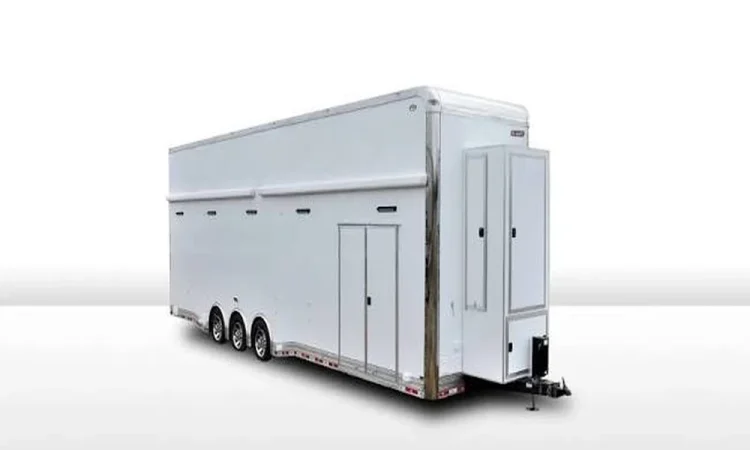
Stacker trailers offer remarkable versatility, merging utility with efficiency, making them a favored option for diverse transport requirements.
They facilitate logistics by enabling the loading and unloading of multiple vehicles simultaneously, significantly cutting down time and resource use compared to traditional trailers.
With robust payload capabilities, many stacker trailer models can handle loads exceeding 10,000 pounds, boosting efficiency for businesses racing against tight schedules.
Durability is a hallmark of stacker trailers, built from heavy-duty materials that stand up to daily demands, leading to reduced maintenance costs over time.
When it comes to selecting stacker trailers, it’s essential to evaluate key features-size, material quality, and customization options-to align with distinct transporting needs.
Regular maintenance plays a vital role for stacker trailers, from routine brake inspections to tire checks, ensuring safety and extending the equipment’s lifespan.
Serving numerous industries, from motorsport to construction, stacker trailers demonstrate their adaptability in efficiently transporting specialized gear and vehicles.
The Ultimate Benefits of Stacker Trailers: Why They’re Essential
Stacker trailers stand as an unparalleled solution in the hauling domain, where utility meets flexibility. Their distinctive design distinguishes them from other options, quickly gaining the attention of numerous businesses and individuals. Transporting goods is only part of the equation; the significant enhancement of operational efficiency truly captures interest.
Business professionals routinely find that stacker trailers make for more streamlined logistical operations. These trailers often combine storage and transport capabilities, allowing for efficient loading and unloading of multiple vehicles in a single trip. The advantages extend far beyond what conventional trailers can offer.
Unraveling the Convenience: Dual-Purpose Use Cases
Specific tasks demand versatile tools, and stacker trailers epitomize that need. Initially designed for motorsports, they now serve a multitude of sectors, accommodating needs from car enthusiasts to commercial transport. Here are a few dual-purpose applications:
- Transporting Race Cars: Effortlessly loaded at the track and unloaded.
- Mobile Workshops: Providing tools and equipment while also acting as transport vehicles.
- Luxury Vehicle Hauling: Safeguarding high-value cars during transport.
Convenience remains their standout feature. Imagine not having to use multiple trailers for different purposes-one stacker trailer can serve all those functions. This adaptability drastically cuts downtime and boosts overall productivity.
High Payload Capacities: What It Means for Transport
High payload capacities are what truly differentiate stacker trailers from their standard counterparts. Certain units can transport multiple vehicles, providing value that’s difficult to overlook. Weight limits differ considerably, yet many manufacturers create models capable of accommodating over 10,000 pounds, ensuring the heaviest sports cars can be transported effortlessly.
This capability translates to enhanced real-world efficiency. Fewer trips equal lower costs and, ultimately, increased profits. It’s a favorable scenario for businesses needing to meet tight deadlines while maintaining high productivity.
Durability and Design: Built to Last Under Pressure
The toughness of stacker trailers is a significant aspect. Heavy-duty construction materials, advanced manufacturing techniques, and thoughtful design details mean these trailers endure daily challenges. Clients often find decreased wear over time, leading to savings not just on repairs but also on replacements.
What does this durability signify? It breeds confidence in both individuals and businesses, knowing their equipment can withstand whatever comes its way. This reliability is a wise investment-especially in sectors where time and safety hold paramount importance.
Choosing the Right Stacker Trailer: Key Features to Consider
When in search of stacker trailers for sale, potential buyers encounter a plethora of choices, making it crucial to make informed decisions. One size clearly doesn’t fit all in the realm of stacker trailers. Comprehending the vital features can dramatically enhance the buying experience.
Size Matters: Finding the Perfect Dimensions for Your Needs
The size of a stacker trailer can significantly influence its usability and efficiency. Length, width, and height play integral roles. Depending on what they are transporting, businesses might need different configurations. Key aspects to consider include:
- Loading height: Critical for easy access and unloading.
- Axle configuration: Influences weight distribution and stability.
- Tongue length: Affects towing dynamics.
However, size alone isn’t the end of the story. It’s about hitting the right balance. Stacker trailers must cater to specific logistical needs without sacrificing usability or function. Experts advocate for assessing individual requirements before making a final choice.
Material Quality: Steel vs. Aluminum – Which is Best?
The choice between steel and aluminum can greatly affect trailer performance. Steel boasts strength, while aluminum brings lighter weight and resistance to corrosion. Professionals often suggest considering these factors:
- Weight Capacity: Steel usually offers a higher limit.
- Durability: Aluminum excels in rust resistance.
- Cost Efficiency: Steel is typically more affordable upfront.
Clients will see that the right material selection profoundly impacts long-term performance. It’s a trade-off between strength and weight. One should carefully assess how the trailer will be used, considering both initial investments and overall longevity.
Customization Options: Tailoring Your Trailer to Fit
Customization is where stacker trailers truly stand out. Many manufacturers provide a range of options that cater directly to specific needs and preferences. The ability to personalize trailers adds substantial value. From dedicated storage compartments to adjustable ramps, there’s an abundance that can be tailored to fit requirements.
Consider the benefits of having:
- Custom floor plans: Designed with specific vehicle types in mind.
- Climate control: Vital for protecting high-value cargo.
- Advanced security features: Keeping investments safe during transport.
Customization goes beyond mere luxury; it’s a crafted solution that can convert a basic trailer into a specialized tool for enhanced business operations. Clients can reap rewards from improved functionality directly tied to their unique needs.
Maintenance Tips for Long-Lasting Performance
Owning a stacker trailer entails a commitment to regular maintenance. Keeping trailers in top condition translates to reliability and longevity. Adhering to established practices can save significant time and expenses down the line.
Regular Upkeep: Essential Maintenance Practices
Establishing consistent routines is vital. Experts recommend routinely inspecting key components to catch potential issues before they escalate. Important maintenance tasks include:
- Brake checks: Ensuring all systems operate at optimal performance.
- Lights and signaling: Keeping everyone informed on the road.
- Frame inspection: Looking for any signs of wear or damage.
Keeping vigilant brings tangible benefits. Maintaining ongoing checks avoids downtime, assures safety, and ultimately prolongs the trailer’s life. Routine upkeep turns maintenance from a burden into a valuable investment.
Tire Care and Replacement: Ensuring Safe Travels
Ignoring tire maintenance can lead to serious complications. Flat tires result in wasted time and can create unsafe conditions. Proper tire care involves regularly checking pressure, rotating tires, and timely replacements. What does this encompass?
- Pressure checks: Keeping within the manufacturer-recommended levels.
- Tread depth assessments: Ensuring there’s enough traction.
- Alignment checks: Preventing uneven tire wear.
Many underestimate tire maintenance’s importance-but it can be the difference between a successful trip and an emergency roadside situation. Simple habits enhance safety, improve fuel efficiency, and lead to smoother travels overall.
Storage Solutions: How to Protect Your Investment
Effective storage strategies are crucial for keeping trailers in peak condition during periods of inactivity. Clients often discover that straightforward practices safeguard their investments. Key actions to consider include:
- Indoor storage: Protecting against potential weather damage.
- Covers and tarps: Providing additional protection from UV rays.
- Regular cleaning: Preventing corrosion and debris buildup.
Taking care of a trailer isn’t just about looks; it’s vital to ensure safety and resilience for the future. A little care can make a long-lasting difference.
Real-World Applications for Stacker Trailers
The adaptability of stacker trailers opens the door to numerous applications across various industries. Users range from individual car enthusiasts to large logistics firms, each employing trailers in ways that demonstrate their versatility and value.
From Racing to Hauling: Versatile Uses in Action
Stackers do much more than haul vehicles; they serve specialized transport roles in multiple sectors. Businesses have put stacker trailers to use in:
- Transportation of construction equipment: Safely carrying heavy tools and machinery.
- Event logistics: Moving rigs and equipment for festivals or shows.
- Motorcycle transport: Ideal for enthusiasts with multiple bikes.
The range of applications is as varied as it is practical. Stacker trailers provide solutions tailored to meet the most stringent logistical demands.
Case Studies: Success Stories from Actual Users
Real-life success stories effectively highlight the benefits stacker trailers provide. For instance, a racing team employed a stacker trailer to transport multiple vehicles to events nationwide. This approach allowed them to reduce logistics costs while protecting their vehicles better.
Another case involved a commercial fleet utilizing stacker trailers for their construction equipment transportation needs. They experienced considerable drops in transport expenses, leading to increased profits and greater flexibility in scheduling.
Each user’s narrative paints an illustrative picture of the tremendous potential stacker trailers hold. It’s not solely about transportation; it’s about fundamentally improving business operations.
Future Trends: How Stacker Trailers Are Evolving
Innovation persistently shapes the future landscape of stacker trailers. From enhanced materials to cutting-edge technology integrations, the evolution of these tools is witnessing an exciting trajectory. A notable trend is the growing incorporation of smart technology, featuring enhanced safety elements like GPS tracking and remote monitoring. Such advancements are steering the industry towards greater user-friendliness and security.
Environmental considerations are also driving this evolution. Many manufacturers are delving into sustainable materials and energy-efficient designs, leading to a new generation of stacker trailers that cater to eco-conscious consumers.
As the industry continues to advance, staying updated is crucial for reputable businesses. Adapting to emerging trends can help maintain a competitive edge in an ever-evolving market.
FAQ
What safety features should clients look for in stacker trailers?
When evaluating stacker trailers, elements like top-notch braking systems, secure tie-down points, and reliable lighting are essential for enhancing vehicle security and overall safety during travel.
How does the towing capacity of a stacker trailer impact usage?
Towing capacity directly affects a stacker trailer’s hauling capabilities. A higher capacity enables clients to carry heavier loads effectively without sacrificing safety or performance, helping businesses meet diverse transport requirements.
Are stacker trailers compatible with all vehicle types?
Stacker trailers aren’t universally compatible. Certain models are tailored to specific vehicle sizes and types. Clients are encouraged to evaluate their load requirements and select trailers customized to suit their vehicles for optimal performance.
What are the options for financing a stacker trailer purchase?
Financing avenues for stacker trailers vary widely-from traditional loans and leasing arrangements to specialized financing programs. Exploring different options can assist buyers in managing budgets efficiently while securing the right equipment.
How can customization enhance the functionality of a stacker trailer?
Customization significantly increases a stacker trailer’s usability and performance. Features such as tailored ramp designs, added storage compartments, and upgraded security systems can transform an ordinary trailer into a highly specialized tool that satisfies unique user demands.
Can stacker trailers be used for purposes other than vehicle transport?
Definitely. Stacker trailers fulfill diverse roles beyond just transporting vehicles. Businesses frequently utilize them for equipment transport, mobile workshops, and even as logistics hubs for events, making them versatile assets across various sectors.
What maintenance practices ensure the longevity of a stacker trailer?
To keep a stacker trailer operating smoothly, routine inspections and maintenance are critical. Actions like checking brake systems, maintaining tire health, and evaluating frame integrity are vital for avoiding issues and extending the trailer’s lifespan.
How do stacker trailers contribute to environmental sustainability?
Increasingly, stacker trailers are being designed with sustainability in mind. Manufacturers are exploring eco-friendly materials and energy-efficient features, aligning their products with the growing demand for responsible transport solutions.
Useful Resources
- National Highway Traffic Safety Administration
- Federal Motor Carrier Safety Administration
- Trailer Life Magazine
- Recreational Vehicle Dealers Association
- Society of Automotive Engineers
- Wheelers Systems (Trailers)
- Trailer World
- Hagerty (Insuring Classics and Exotic Cars)
- Small Business Administration


